

Your Neighbor's Palms Will Thank You!
Your Neighbor's Palms Will Thank You !
It's like a flu or a cold. Once one has it, it's only a matter of time before your neighbor gets it too. Ganoderma butt rot is a fungal disease of palms that acts like a flu the way it spreads from palm tree to palm tree. It decorates your trees with mushroom look-alikes (called conks) and eventually your palms will start to wilt. This fungus attacks the lower 4'-5' of the interior trunk of palm trees. Ganoderma infection results in a gradual decline in health and later death of palm trees.
Ganoderma butt rot of palms is more prevalent in the southern half of Florida and no palm species is resistant to attack by the fungus. Only a very few tree species outside the palm family have been found afflicted by this disease. Even then, it's rare to see any tree but a palm with Ganoderma.
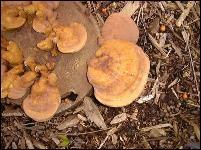
Your initial clue that you have a palm tree suffering from this disease is the appearance of conks on the trunk. At first glance, conks look like mushrooms on the tree - but look closer and you'll see these conks have their own unique, irregular shape and they change from white to a reddish-brown in color as they grow and mature. As Ganoderma lingers in your palm, it will continue to damage the tissues inside the trunk and begin to affect the tree's ability to uptake water through its vascular system. The leaves of the palm will start to wilt, sometimes to the point where only the main spear leaf has a normal appearance and avoids the droopy look.
Researchers believe the wind is responsible for most of the spread of the Ganoderma fungus. Microscopic spores produced on the underside of the conks are released into the air and swept away to other hosts in the wind. Once Ganoderma finds another host palm tree that is susceptible, it begins its attack and yet another tree rides the road to decline. Whether or not a palm tree is damaged by the fungus does not seem to be dependent on the health or lack of health of the tree infected. Thriving palms have been known to suffer from Ganoderma just as often as those under stress.
So far there is no preventive measure or cure for Ganoderma butt rot. The only way to assist your palms in escaping this infectious disease is to keep your eyes open for other palms in your area showing symptoms and check your palms frequently for obvious signs of it - most obvious are the appearance of the conks and moderate to severe leaf wilt. Your palms may or may not be susceptible to Ganoderma, and there is no way to test them to determine their viability in fighting this fungus.
Your neighbor's palm trees will thank you when you remove your palm tree infected with Ganoderma. You don't have to wait for it to die - removal is best when the fungus infection is identified and the sooner, the better. Also, don't even consider a new palm planting in the same area - Ganoderma resides in the soil too and most likely your new palm will be on its way out shortly as well!
Oh, and if you're not up to informing your neighbor about their palm that is showing signs of Ganoderma - just share this article! :>)